August 11, 2026
Every successful construction project relies on a stable, properly prepared foundation and precise ground engineering. Selecting the right contractor for your initial
earthmoving and site preparation sets the stage for smooth building operations, predictable timelines, and overall project safety. Asking detailed questions before signing a contract protects your development budget and ensures your property is completely ready for structural construction.
Ground preparation requires specialized heavy machinery, precise topographical assessment, and strict adherence to environmental regulations. According to IBISWorld's Excavation Contractors in the U.S. Industry Report (2025), the U.S. excavation contracting industry has grown at a CAGR of 3.1% over the past five years to reach an estimated $145.4 billion through the end of 2025. As demand for new residential and commercial structures continues to climb, securing an experienced site work excavation company ensures your land is graded, cleared, and prepped to exact engineering standards.
1. What Earthmoving and Demolition Services Do You Provide?
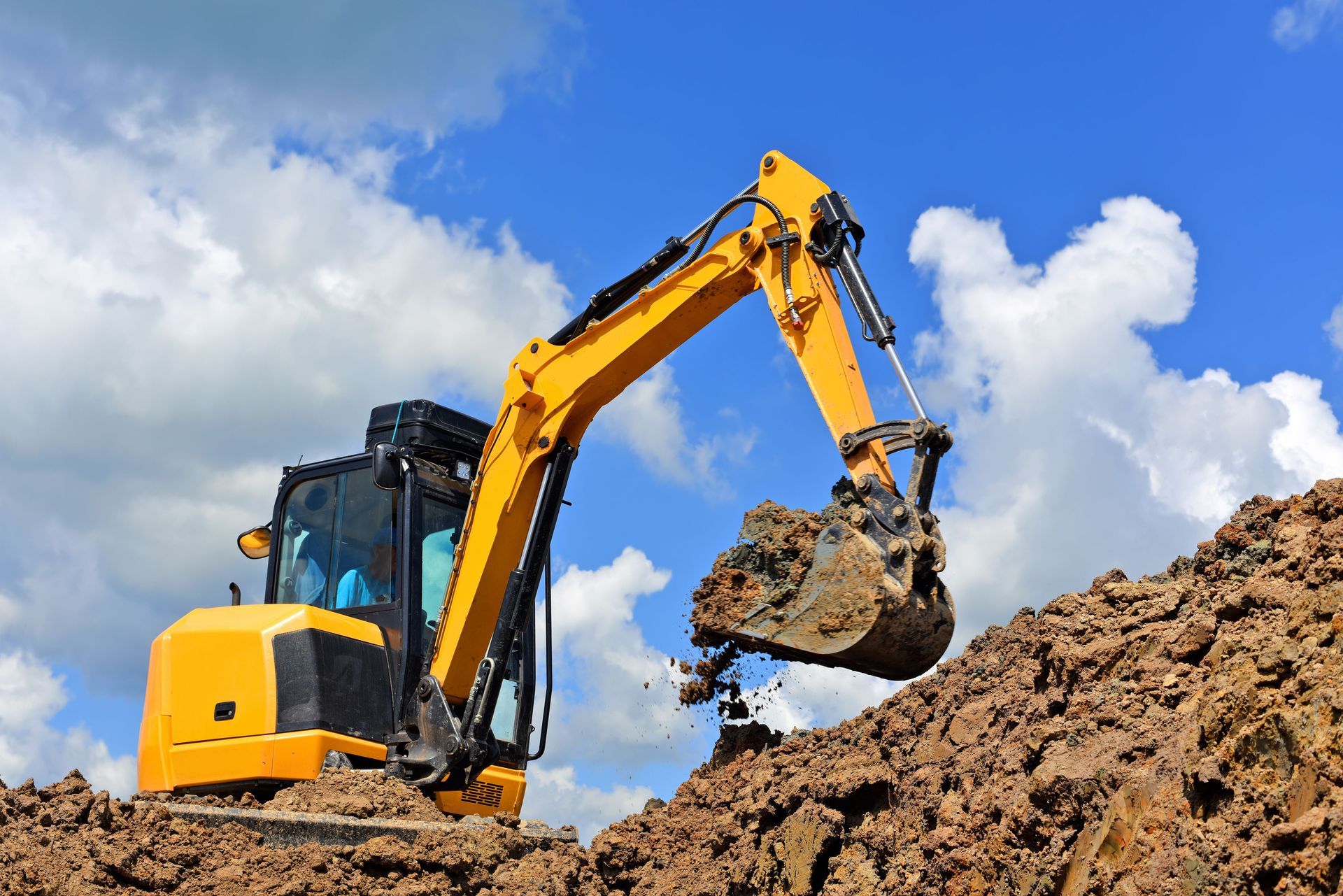
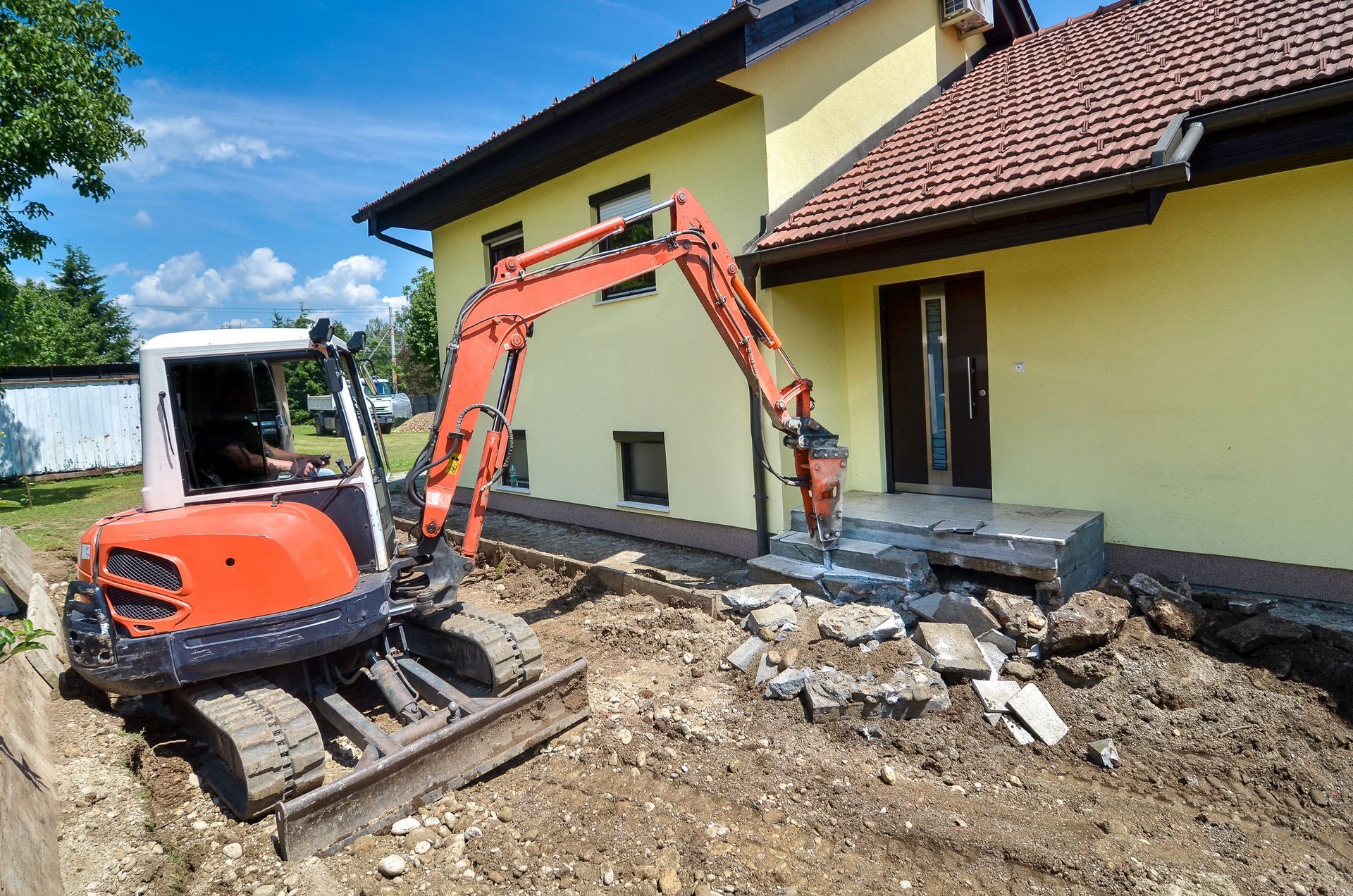
Before starting any construction project, developers must verify that their chosen contractor possesses the machinery and crew capacity to manage all site clearing requirements. Site preparation often requires removing existing structures, clearing dense trees or brush, breaking up old concrete, and backfilling pool cavities. Understanding the full range of capabilities offered by a site work excavation company prevents project delays caused by hiring multiple sub-contractors for separate site prep tasks.
Full-service contractors handle everything from initial land clearing and heavy rock removal to pool demolition and structural backfilling. They bring specialized hydraulic hammers, excavators, and dump trucks to manage heavy debris clearing cleanly and efficiently. Choosing a contractor capable of managing site preparation from initial demolition through final rough grading keeps your development schedule moving forward seamlessly.
Furthermore, relying on a single, experienced team reduces site congestion and eliminates communication gaps between different trade crews. Having one project manager oversee site clearing, debris haul-away, and structural backfilling ensures that environmental compliance standards and safety protocols are maintained consistently across the job site. This unified approach minimizes unexpected downtime, lowers overhead administrative costs, and keeps site preparation perfectly aligned with your architectural milestones.
2. How Do You Manage Site Grading, Loam, and Seed Preparation?
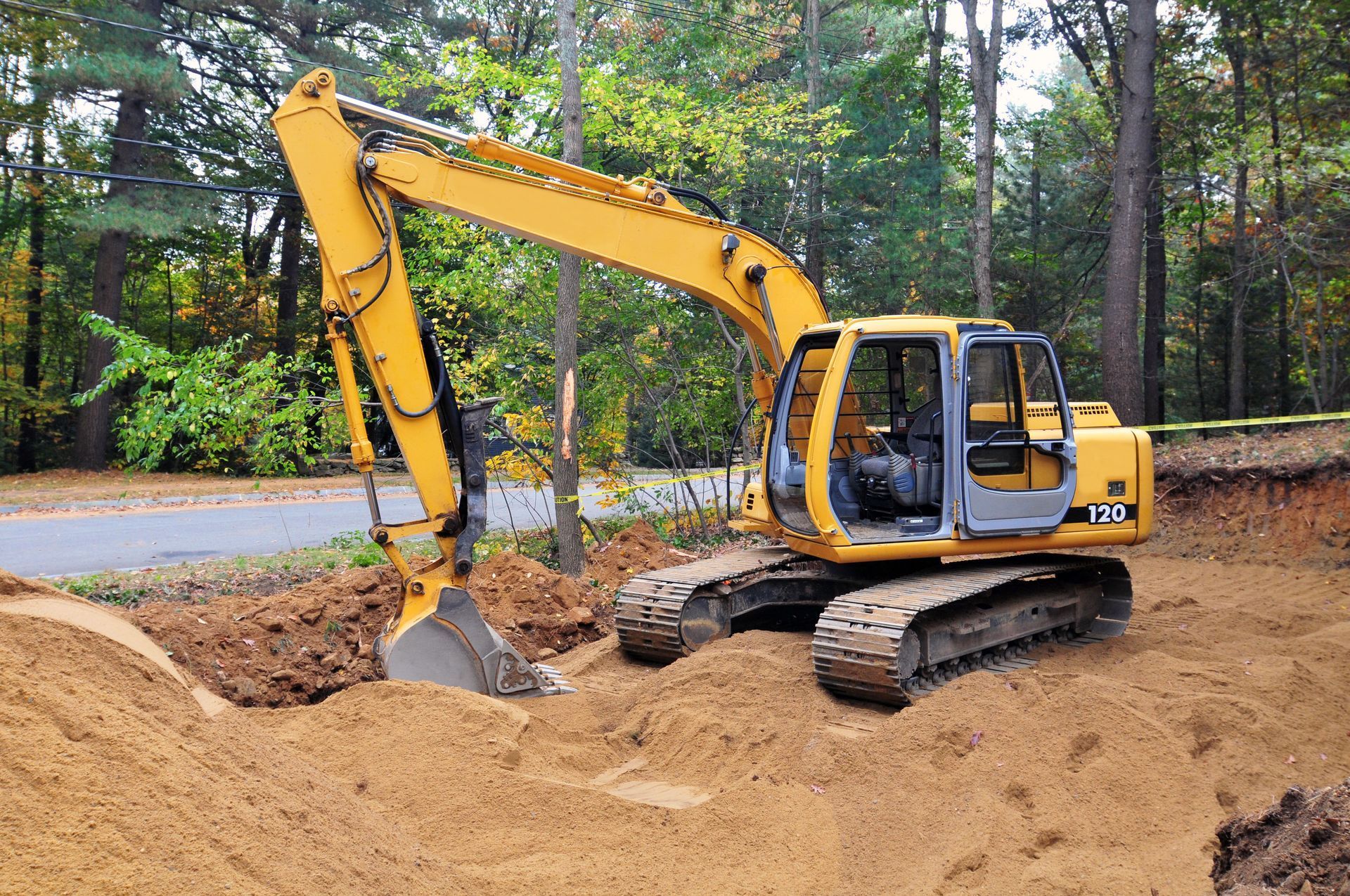
Proper grading is critical for establishing correct building elevations, guiding water runoff, and preparing the ground for stable structural footings and green spaces. Developers should ask how the contractor handles sub-grade balancing, soil compaction testing, and surface levelling across the entire property footprint. Inadequate grading can lead to standing water, foundation settling, and expensive post-construction corrective work.
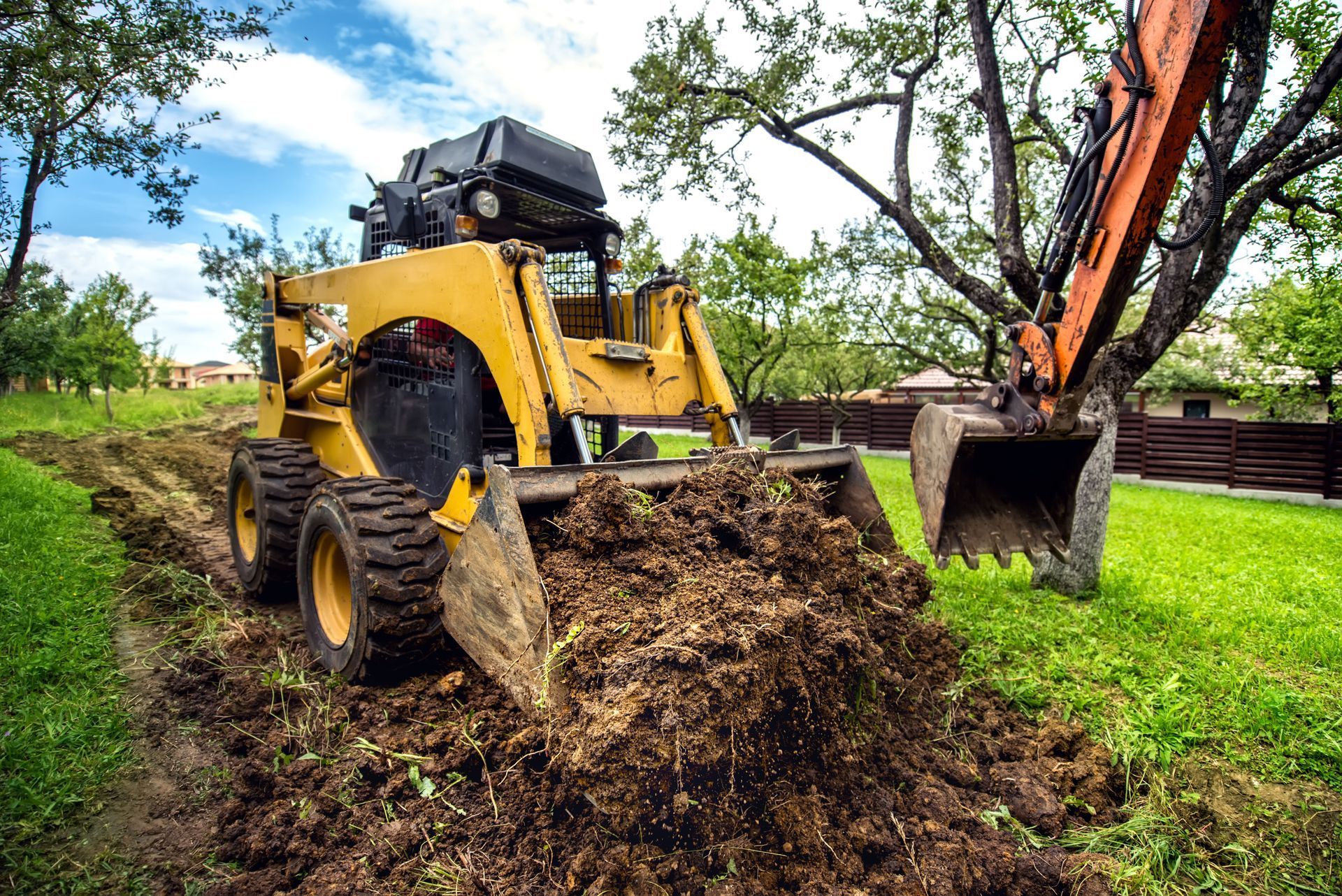
In addition to structural grading, developers need to know if the contractor provides complete lawn and soil establishment services. Top contractors handle loam delivery, soil spreading, precise grading, and sod or seed installation to stabilize open soil and prevent surface erosion. Partnering with a skilled site work excavation company guarantees that both your building footprint and surrounding green areas are properly prepared and structurally sound.
Proper sub-grade preparation also prevents long-term soil displacement, ensuring that heavy machinery and utility installations do not compromise ground stability. When contractors utilize laser-guided leveling equipment and thorough compaction techniques, they create an optimal base that prevents future slope shifts and pavement cracking. Taking these meticulous steps early in the site development process protects surrounding structures, lowers ongoing property maintenance costs, and ensures full compliance with local civil engineering standards.
3. What Solutions Do You Offer for Property Drainage and Resloping?
Managing surface water and subsurface drainage is one of the most vital aspects of early site engineering. Developers must ask how the contractor plans to manage stormwater, prevent soil washout, and execute major resloping around proposed building sites. Failing to establish proper drainage during early excavation can undermine concrete footings, flood lower levels, and wash away newly installed sub-base materials.
Experienced contractors evaluate natural land contours and soil composition to design effective drainage systems and resloping plans. They install drainage channels, balance slopes away from building foundations, and establish proper water runoff pathways. Working with a knowledgeable site work excavation company ensures your property remains dry and structurally stable through every phase of construction and heavy weather.
Additionally, integrating robust drainage infrastructure early on prevents hydrostatic pressure from building up against foundation walls and sub-grade utility lines. Specialized excavation teams install sub-surface french drains, retention swales, and culverts tailored to the specific hydrology of your site. Addressing water management from day one prevents costly site washouts during sudden downpours, protecting open excavations, structural footings, and surrounding road bases. This proactive approach saves thousands of dollars in potential flood remediation while keeping your overall project timeline strictly on track.
4. Do You Handle Hardscape Foundations, Patios, and Retaining Walls?
Site preparation often extends beyond basic dirt moving to include foundational prep for outdoor living features, walkways, retaining walls, and paver driveways. Developers should inquire if the excavation team coordinates directly with hardscape installation to prepare deep base trenches, place compacted aggregate layers, and construct structural retaining walls. Retaining walls are especially crucial on sloped properties to retain soil mass and create flat, usable building zones.
Contractors experienced in both excavation and hardscaping build sturdy brick, stone, or block retaining walls, custom patio bases, and stone steps seamlessly. They ensure proper base depth, gravel backfill, and drainage pipe integration so hardscape structures do not shift, settle, or crack over time. Partnering with a site work excavation company that handles hardscape integration saves time and creates a cohesive, durable exterior footprint. Furthermore, integrating hardscape installation directly into the site preparation phase prevents redundant digging, reduces overall labor expenses, and avoids damage to newly established sub-grades.
5. How Do You Ensure Project Safety and Regulatory Compliance?
Heavy excavation work carries inherent site risks, from encountering underground utilities to managing loose soil bank stability. Developers must ask potential contractors about their safety protocols, operator training, equipment maintenance schedules, and active licensing and insurance coverage. A reliable team conducts thorough utility line locates before digging and follows strict trenching safety procedures to protect workers and surrounding property.
Additionally, developers should confirm that the contractor manages seasonal property demands, including commercial snow removal and winter site clearing, to maintain access during cold weather. Year-round operational capability demonstrates professional reliability, proper equipment maintenance, and deep industry expertise. Verifying these operational standards ensures your job site stays safe, compliant, and accessible under all working conditions.
6. What Experience Do You Have with Seasonal Property Management?
Large-scale developments and commercial properties require ongoing site care even after initial excavation and building construction conclude. Developers should ask if the contractor provides long-term seasonal property management, routine grounds maintenance, and seasonal site upkeep. Having a single trusted contractor handle initial site work, lawn installation, and ongoing seasonal management simplifies property management immensely.
Comprehensive seasonal services keep commercial access routes clear, manage vegetation growth, and maintain drainage pathways year-round. Contractors who understand your site from the ground up are best equipped to maintain its structural integrity, aesthetics, and usability through every changing season. Choosing a versatile
site work excavation company ensures continuous, high-quality care for your entire development.
Asking the right questions during the planning stage ensures your development rests on a stable, expertly prepared foundation. From land clearing and structural grading to custom patio foundations, retaining walls, and seasonal property care, partnering with proven professionals makes all the difference. For expert site preparation, comprehensive earthmoving, and dedicated outdoor solutions, contact the experienced team at Ramos Landscaping & Excavating today.