October 17, 2025
Excavating services form the cornerstone of most construction and land development projects, playing a critical role from the initial phase to completion. These services ensure that the land is fit for construction by preparing the site, digging trenches, and managing soil and waste. Without proper excavation, structures can suffer from faulty foundations and increased susceptibility to environmental hazards. As a bridge between planning and execution, excavation demands expertise in handling various machinery and adhering to safety and environmental guidelines. The comprehensive understanding of excavation processes ensures the seamless delivery of construction projects, ultimately impacting the overall success of development endeavors.
Land Clearing
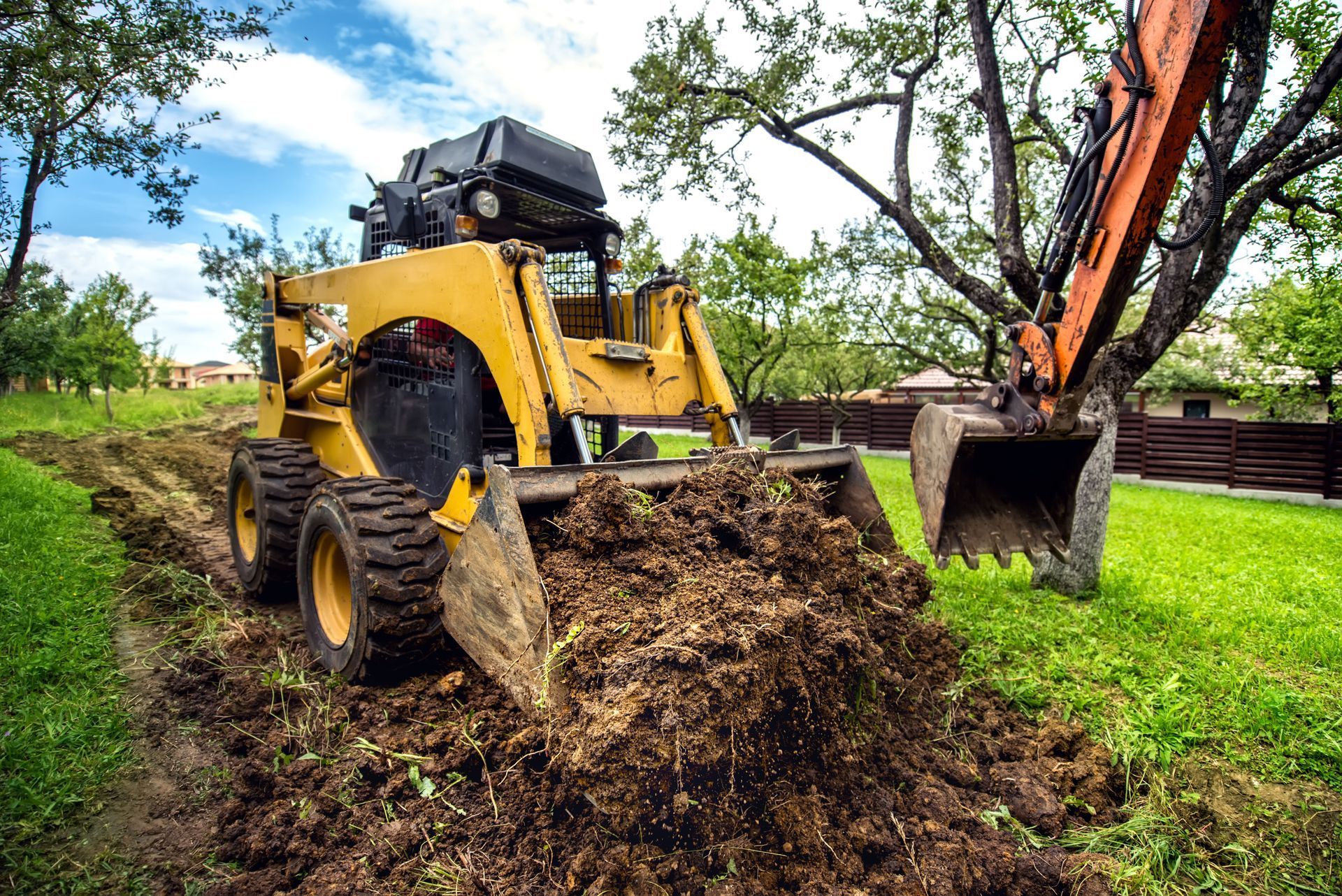
Land clearing is the initial phase in many construction projects, vital for preparing a site for development. This process involves removing trees, rocks, stumps, and other obstacles from an area, making the land suitable for building infrastructure. By creating a clean slate, land clearing provides a blank canvas for engineers and construction teams to start their work efficiently. Unplanned or incomplete clearing can lead to potential issues such as unstable foundations or obstacles hindering construction progress. Therefore, understanding its importance ensures projects remain on schedule and within budget, enhancing the foundation for future construction activities.
Maintaining cleared land also requires ongoing effort. According to the New York Post, homeowners dedicate approximately three hours per week to exterior upkeep, highlighting the time and resources necessary to keep a property safe, accessible, and aesthetically pleasing. For construction projects, professional land clearing ensures that these maintenance demands are minimized in the long term, allowing properties to remain well-prepared for development while reducing the risk of delays or hazards.
As with any major land modification, environmental considerations must be at the forefront of land clearing projects. Ensuring compliance with environmental laws and regulations safeguards local ecosystems and minimizes negative impacts on biodiversity. Strategies such as controlled felling, using less invasive equipment, and preserving critical habitats are integral to sustainable land clearing. Recycling materials and managing waste effectively also contribute to the ecological balance. Not only does this approach help preserve the environment, but it also promotes the construction industry's responsibility towards a sustainable future.
Site Preparation Essentials
Grading and leveling are essential site preparation processes to ensure a stable foundation for construction projects. This involves reshaping the land surface to achieve a designated slope, facilitating proper water drainage and eliminating soil pockets that could undermine structural stability. Advanced machinery like bulldozers and graders is commonly used to perform precise operations, laying the groundwork for efficient construction. Achieving the correct grade not only supports the building's integrity but also minimizes the risk of flooding and soil erosion. With precise grading techniques, developers can enhance the longevity and durability of the structures they erect.
Understanding the properties of soil through analysis and testing is crucial for successful site preparation. Soil characteristics such as texture, composition, and compaction influence the site's suitability for construction and the engineering strategies required. Soil testing identifies potential problems such as contamination, instability, or poor drainage, allowing teams to address these issues proactively. The findings guide decisions on foundation requirements, excavation depth, and necessary soil amendments to enhance strength and stability. Through comprehensive soil analysis, projects are better equipped to face the challenges of varying soil conditions, ensuring safe and sustainable infrastructure development.
Proper handling of existing utility lines is a core aspect of safe and effective site preparation. Before excavation begins, teams must identify and map the location of utilities such as water, gas, electricity, and telecommunications to prevent damage and service disruptions. Employing advanced detection technologies and communication with utility providers ensures accurate location and minimizes risks. Adhering to safety protocols while handling utilities protects workers and the local community from hazardous incidents. By prioritizing thorough planning and close collaboration with utility stakeholders, excavation teams can ensure uninterrupted and secure operations during site preparation.
Excavation and Digging Techniques
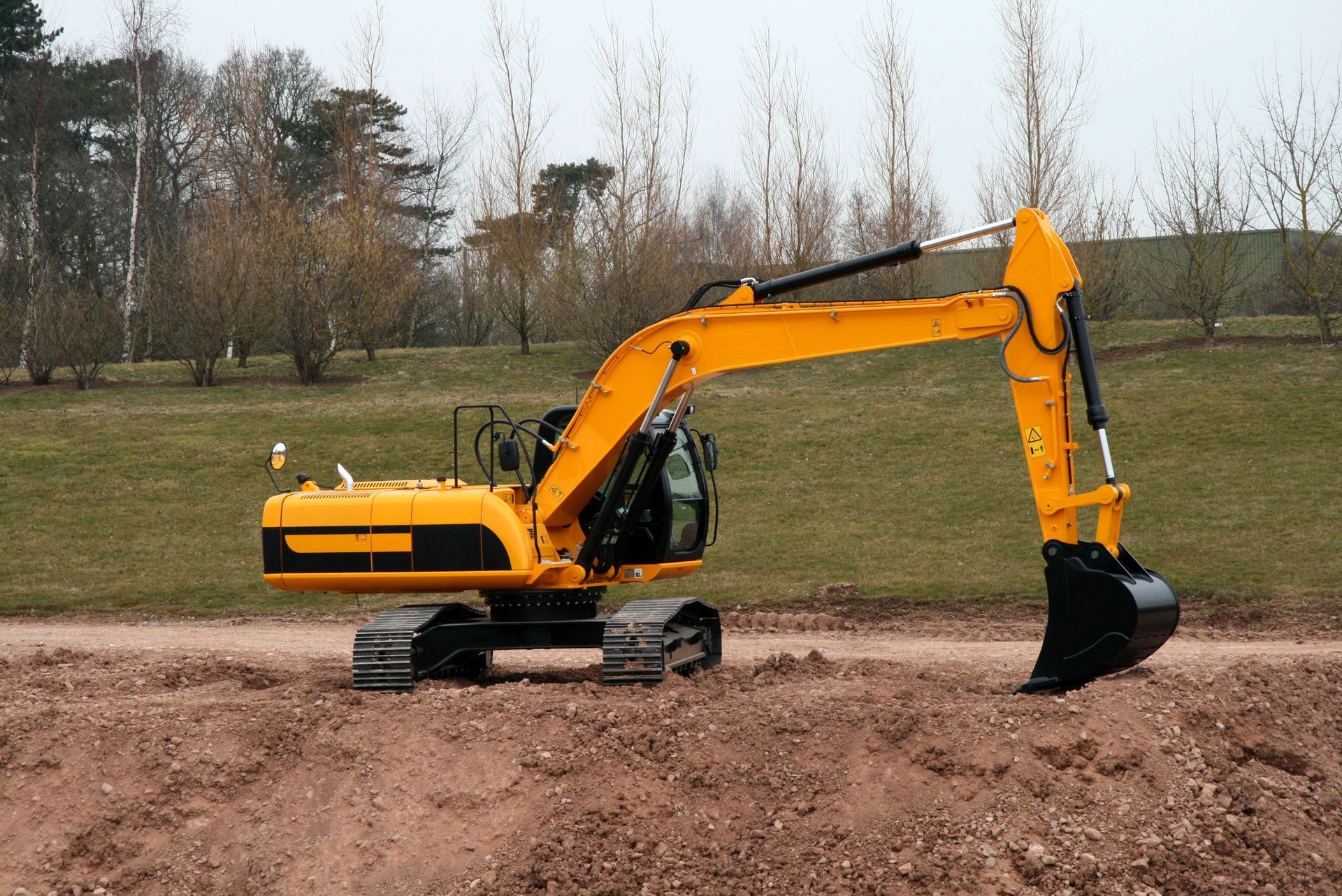
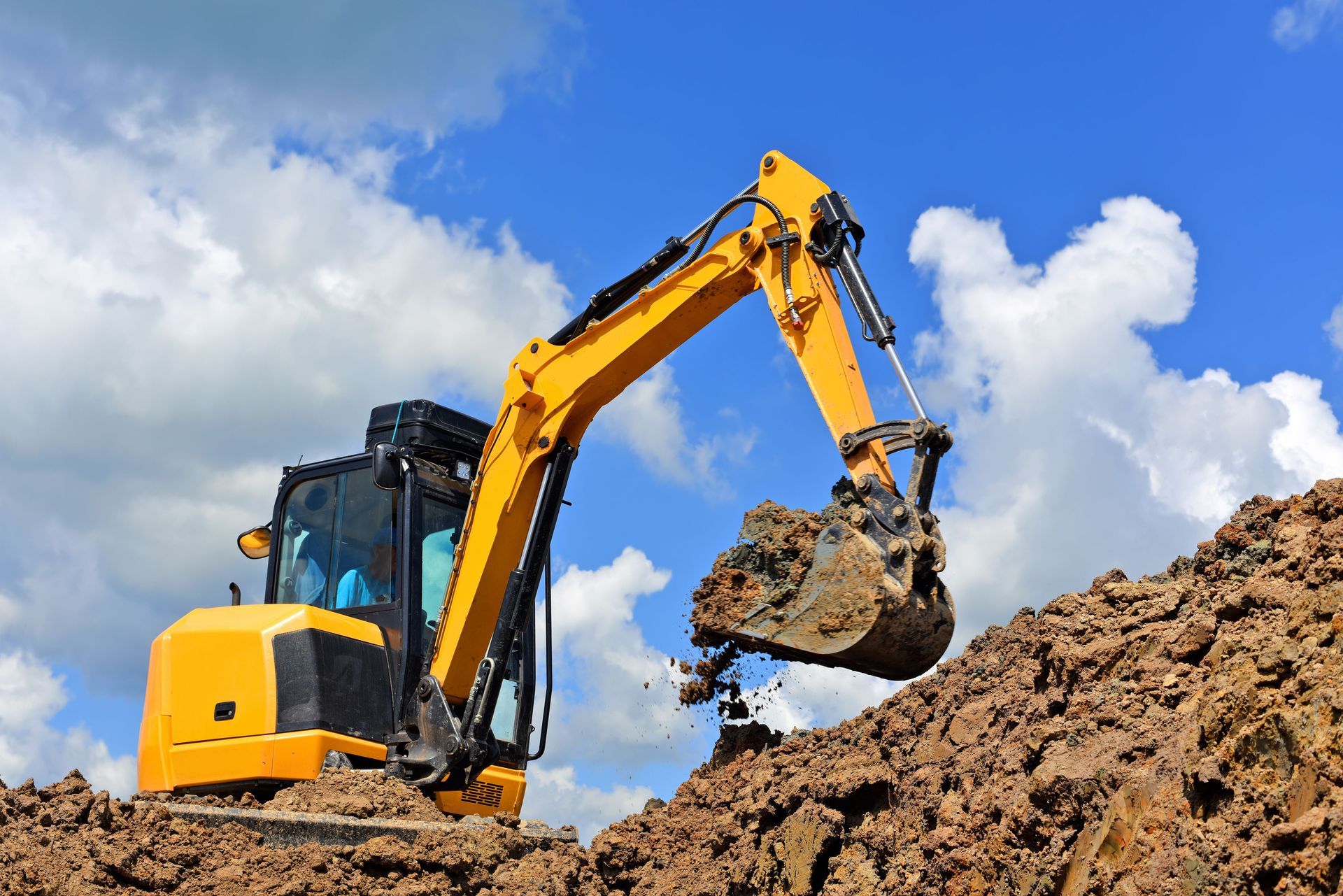
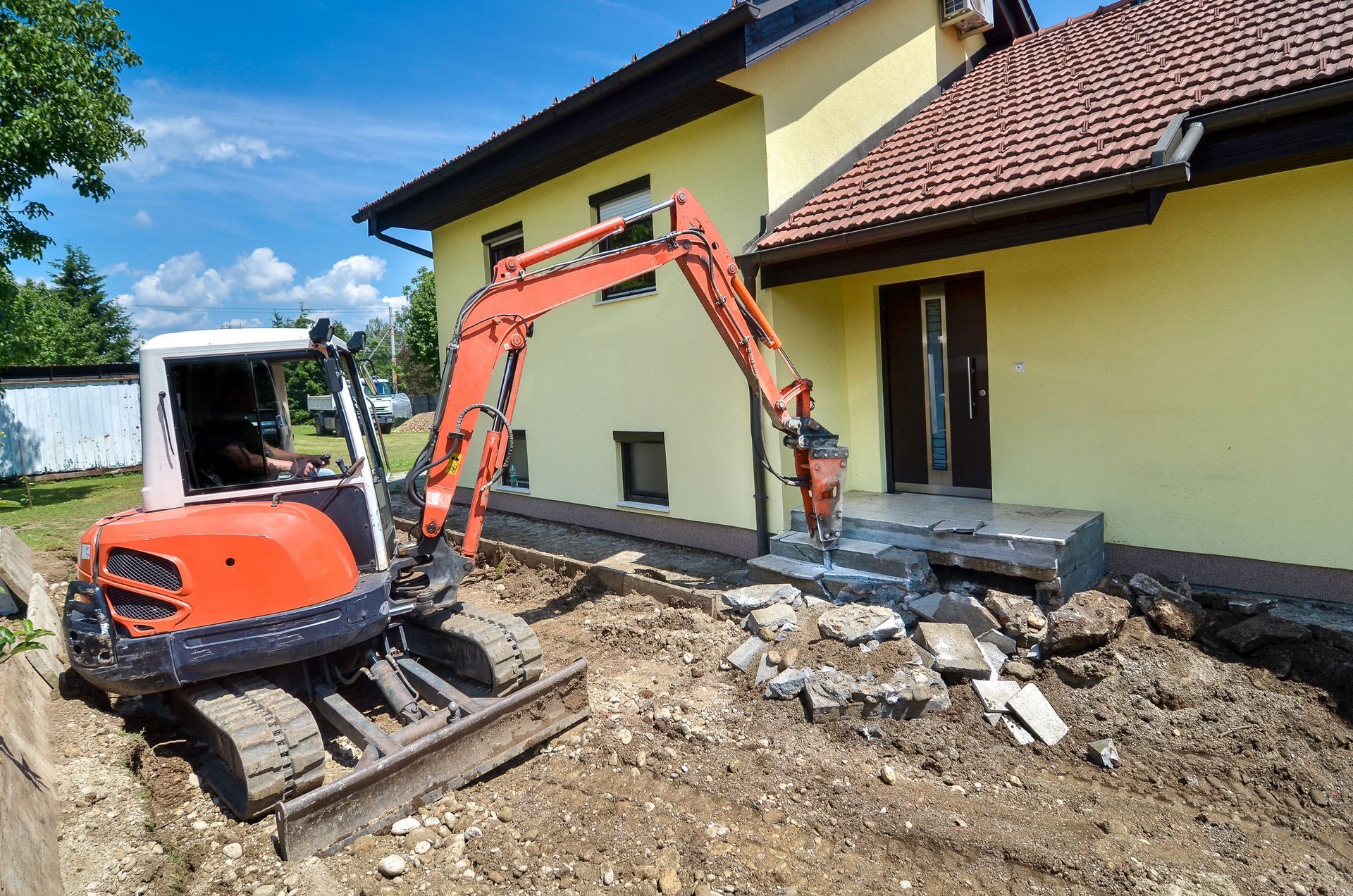
The decision to employ hand tools or heavy machinery depends on the scope and nature of an excavation project. While hand tools offer precision and control in small spaces or delicate operations, heavy machinery significantly expedites larger tasks. Equipment like backhoes, excavators, and trenchers enables efficient digging, earthmoving, and debris removal over extensive areas. Understanding the balance between manual labor and machinery is essential in optimizing resources, minimizing costs, and ensuring safety. Incorporating the right tools and equipment aligns with project goals, enhancing the overall effectiveness of excavation operations.
Excavation projects benefit from a variety of digging methods tailored to specific requirements and site conditions. Techniques such as trench excavation, basement excavation, and dredging address varied project needs, from utility installation to foundational development. Each method utilizes specialized equipment and approaches to achieve desired results while minimizing environmental impact. Selecting the appropriate excavation technique requires consideration of factors like soil composition, depth, and project timelines. Mastery of diverse digging methods empowers excavation teams to tackle complex challenges and achieve successful outcomes across different projects.
Technological advancements have enhanced precision in excavation, improving accuracy and efficiency in digging operations. Tools such as laser-guided systems, GPS technology, and drones provide real-time data and measurements, guiding operators in achieving exact specifications. These technologies reduce manual errors, enhance safety, and optimize resource allocation, leading to more precise excavation results. Accurate excavation minimizes disruptions, reduces material waste, and accelerates project timelines. By leveraging cutting-edge technology, excavation teams can deliver top-tier results, cementing their role as essential partners in construction projects.
Trench digging plays a crucial role in infrastructure development, installing utilities like pipes and cables beneath the ground surface. Specific methods, such as open-cut trenching and trenchless technology, are employed based on site feasibility and project requirements. These processes demand expertise in maintaining trench safety, ensuring proper soil support, and adhering to regulatory guidelines. Careful planning and execution prevent trench collapses and enhance worker safety, which is critical in avoiding potential hazards. Mastering the nuances of trench digging ensures seamless installation of utilities, reinforcing the overall success of construction endeavors.
Excavation Waste
Excavation activities produce a diverse array of waste materials, necessitating adept management to minimize environmental impact. Common types include soil, vegetation, construction debris, and occasionally hazardous materials like asbestos or contaminated soil. Each category requires distinct handling, disposal, or recycling processes to ensure compliance with environmental guidelines. Understanding the nature and volume of waste generated aids in planning effective waste management strategies. Efficient handling of excavation waste not only protects ecosystems but also enhances project sustainability and public perception.
Adhering to regulatory frameworks is essential in executing responsible excavation waste disposal. Local, state, and federal guidelines outline specific protocols for handling, transporting, and disposing of construction waste, ensuring safety and environmental stewardship. Awareness of evolving regulations and proactive compliance prevents legal repercussions and promotes public trust. Engaging with regulatory authorities and environmental experts assists excavation teams in navigating complex waste management landscapes effectively. Through adherence to regulations, projects achieve sustainable results while fostering ethical business practices.
Excavation services are the backbone of successful construction and land development, forming the link between concept and completion. From clearing land to managing waste, each stage requires careful planning, technical precision, and adherence to environmental standards. When executed correctly, excavation establishes a solid foundation that supports safe, sustainable, and enduring structures. Partnering with skilled excavation specialists ensures that every project, no matter its size or complexity, begins on stable ground and progresses toward long-term success. For
excavating services
you can count on, contact Ramos Landscaping today.