November 21, 2026
Choosing the right partner for ground preparation and foundational labor is one of the most vital decisions you will make during any construction venture. A project can suffer severe setbacks before vertical construction even begins if the initial grading, clearing, and excavation are handled poorly. Unfortunately, many project owners and managers make predictable mistakes during the contractor selection process, leading to unexpected project delays, inflated budgets, structural integrity issues, and legal disputes. Understanding these common pitfalls ahead of time gives you the foresight required to evaluate prospective contractors thoroughly, protect your financial investment, and establish a firm foundation for your upcoming development.
Navigating the pre-construction phase demands a strategic approach that balances cost considerations with operational capabilities. By learning how to properly vet qualifications, inspect safety standards, clarify contract scopes, examine technological assets, and look beyond bottom-line pricing, you position your build for seamless execution. Partnering with a reliable site work company ensures that your land is prepared efficiently, safely, and strictly according to architectural specifications. The following guide details the five critical errors you must avoid when selecting a land development partner so that your job stays on schedule and within budget from day one.
1. Neglecting to Check Credentials and Experience
Failing to thoroughly verify legal qualifications and operational history is a primary mistake that can quickly derail a construction project. Proper licensing confirms that a contractor meets all state and local statutory requirements, carries mandatory insurances, and possesses the legal standing to operate heavy machinery on your land. Hiring an unverified team exposes your organization to immense legal liabilities, potential municipal shut-down orders, and costly property damage without insurance recourse. Beyond basic licensing, confirming specialized environmental permits and bonding capacity ensures the crew can legally fulfill every aspect of land clearing, utility trenching, and foundation preparation.
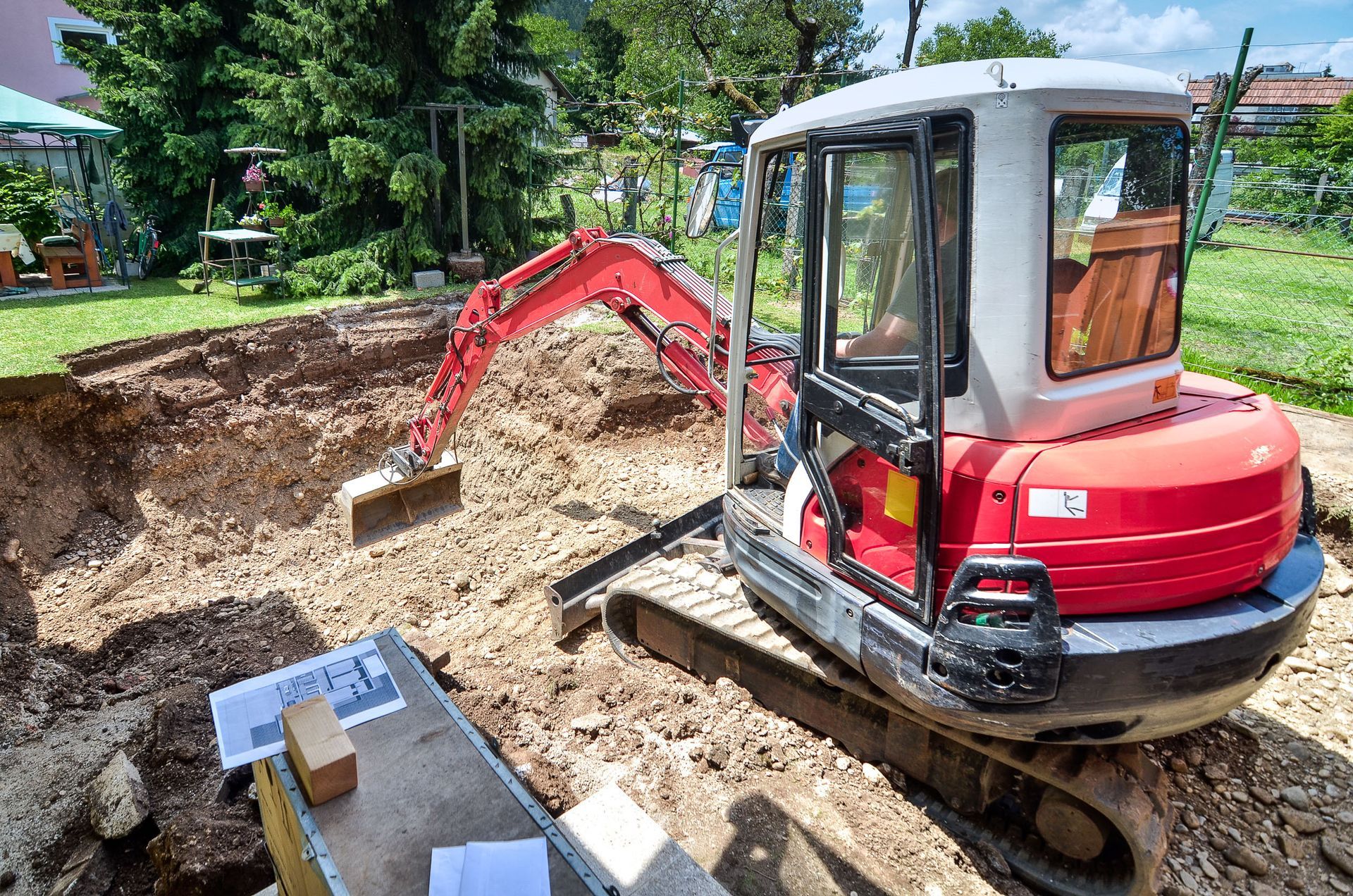
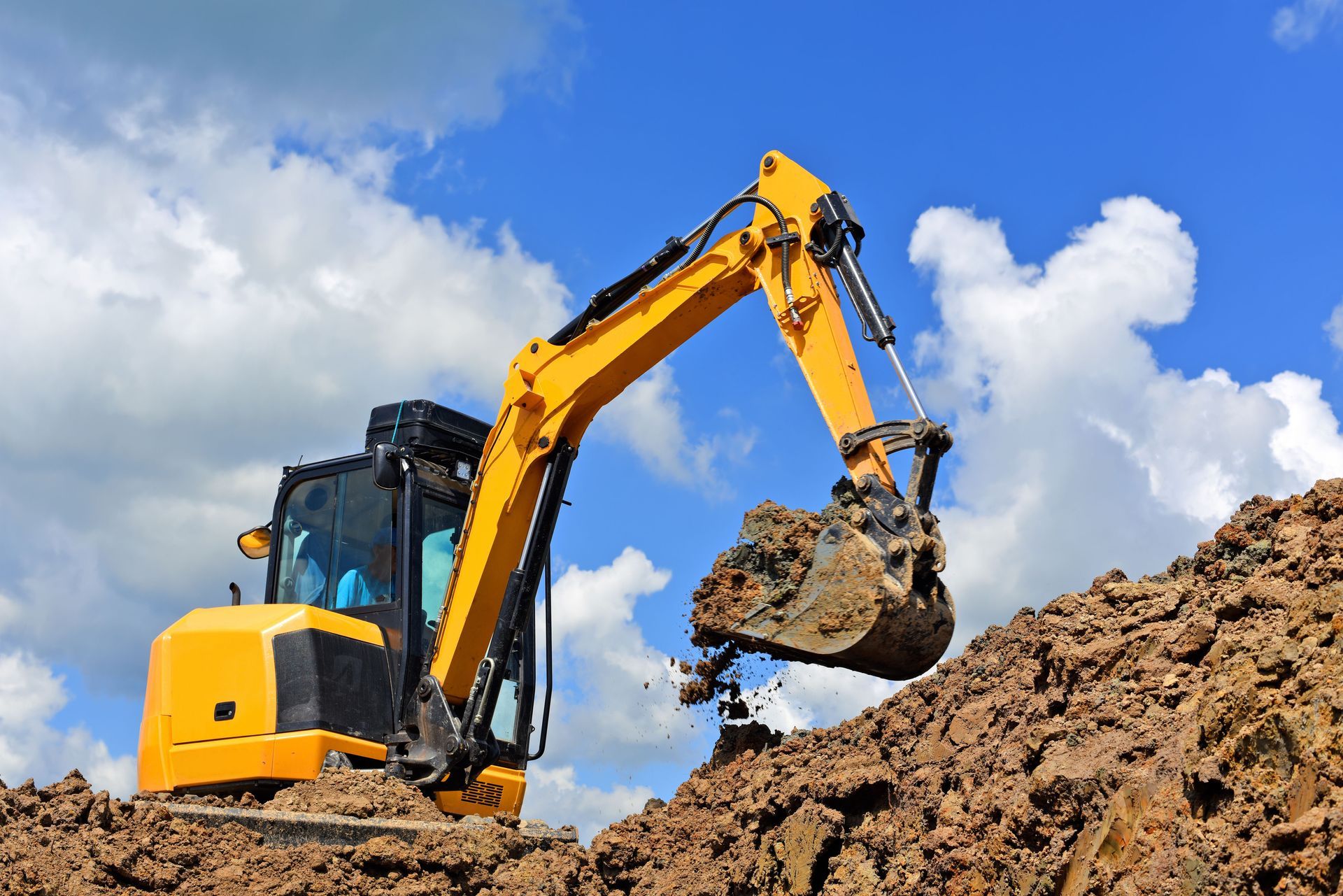
Once legal standing is verified, evaluating past performance on projects of similar scale becomes paramount. Evaluating past projects can reveal a lot about a company's expertise and ability to handle challenges similar to your project's scope. Many projects rely heavily on excavators; according to Bob Vila, an excavator can typically dig between 350 and 1,000 cubic yards per day, showing how vital it is for a company to effectively manage such operations. Partnering with a seasoned site work company guarantees that experienced operators are managing this high-capacity machinery, ensuring that soil movement, compaction, and drainage installation proceed rapidly without sacrificing jobsite safety or structural precision.
2. Overlooking Safety Records and Protocols
Ignoring a team's historical safety performance and ongoing risk mitigation protocols is a direct threat to your project timeline and overall budget. Heavy civil operations involve massive equipment, deep trench excavation, heavy lifting, and volatile soil conditions, making strict adherence to safety standards essential. A contractor with a history of frequent OSHA violations or high Experience Modification Rates indicates a compromised site culture where shortcuts are routinely taken. Reviewing official safety logs and incident reports during the vetting process helps you determine whether a team treats site protection as an operational priority or merely an afterthought.
A truly professional contractor maintains robust risk management frameworks that include daily toolbox talks, comprehensive equipment inspections, and continuous operator certification programs. Verifying active compliance with local, state, and federal labor standards shields your jobsite from avoidable accidents that lead to worker injuries, operational work stoppages, and massive regulatory fines. Furthermore, crews that implement rigorous job-site safety protocols demonstrate higher daily efficiency, as well-organized, hazard-free sites experience far fewer unexpected breakdowns and scheduling halts. Prioritizing safety during your evaluation protects human lives while preserving your capital allocation.
3. Failing to Clearly Define Project Scope and Expectations
Ambiguous scope definitions and incomplete contract details consistently rank among the leading causes of financial disputes in land development. Entering into an agreement without explicit descriptions of dirt volume removal, soil import requirements, grading tolerances, and erosion control parameters leaves room for costly misinterpretations. Detailed contracts protect both parties by clearly stating deliverables, defining project milestones, and setting baseline standards for site conditions upon completion. Reviewing every clause carefully ensures that responsibilities regarding unexpected sub-surface conditions or bad weather delays are clearly designated in advance.
Thorough pre-construction meetings and structured consultations are essential to establishing mutual expectations long before machinery arrives on location. These discussions allow you to communicate exact architectural requirements, target deadlines, and site access constraints directly to the management team. A comprehensive proposal provided by a competent site work company will explicitly break down itemized costs, labor schedules, utility coordination plans, and contingency allowances. Taking the time to align on these core project operational metrics eliminates guesswork, prevents scope creep, and ensures that the physical work executed matches your design team's exact specifications.
4. Ignoring Equipment and Technology Capabilities
Assessing the physical condition, age, and technological capabilities of a contractor's machinery fleet is essential for estimating project speed and accuracy. Outdated, poorly maintained machinery is prone to frequent mechanical failures, fluid leaks, and operational inefficiencies that bring site progress to a sudden halt. Inquiries regarding fleet maintenance logs, average equipment age, and backup machinery availability help gauge whether a contractor can maintain momentum throughout demanding earth-moving phases. Modern, well-serviced heavy machinery runs cleaner, works faster, and reduces the likelihood of costly downtime on your jobsite.
Incorporating modern technology into civil construction has completely transformed accuracy and production speeds across the industry. Teams utilizing advanced tools such as GPS-guided grading systems, aerial drone surveys, and 3D terrain modeling can execute mass excavation and fine grading with millimeter-level precision. This technological integration minimizes material waste, eliminates redundant grading passes, and significantly reduces overall labor hours required for site preparation. Choosing a site work company that invests in high-tech fleet assets ensures your project benefits from maximized operational efficiency, precise drainage contours, and accelerated completion schedules.
5. Overemphasizing Cost over Quality
Selecting a contractor based solely on the lowest initial bid is one of the most expensive errors a property developer can make. Exceptionally low quotes often indicate that a contractor has omitted critical scope items, plans to use inferior fill materials, or intends to utilize under-qualified labor. Cutting corners during initial grading, soil compaction, or utility installation frequently leads to catastrophic sub-grade failure, uneven settling, and severe water drainage issues later on. Correcting foundational earthwork errors after vertical construction begins costs vastly more than doing the work correctly during initial site preparation.
Evaluating proposals requires looking beyond the bottom-line price tag to assess total long-term value and scope completeness. Transparent bids clearly outline itemized expenses for clearing, mass earthwork, utility installation, erosion management, and final grading without hidden fees or vague allowances. Investing in experienced equipment operators, superior compaction techniques, and proper soil stabilization yields long-term durability, protecting your future building from structural shifts and costly repairs. Choosing an established site work company based on proven technical competence rather than low-bid compromises guarantees high-grade workmanship that stands the test of time.
Selecting the right partner for initial land development requires thorough research, credential verification, and a clear understanding of project demands. Avoiding mistakes like ignoring safety records, failing to establish definitive scopes, choosing outdated equipment, and prioritizing low cost over quality preserves your timeline and financial resources. Working alongside a qualified
site work company ensures your land is properly transformed into a secure, perfectly graded, and structurally sound build site ready for vertical development. Proper groundwork minimizes structural risks, optimizes construction sequencing, and delivers peace of mind across every phase of your project.
To guarantee that your next development project starts with unyielding structural integrity and precision engineering, partner with our team at Ramos Landscaping & Excavating today. Contact our office today to schedule a comprehensive pre-construction consultation and receive an accurate, detailed proposal tailored to your specific project needs. Allow our dedicated professionals to establish the solid foundation your upcoming construction venture deserves.